Pure elastomers (which are not conductive) are very resilient and can maintain their springiness for millions of cycles.
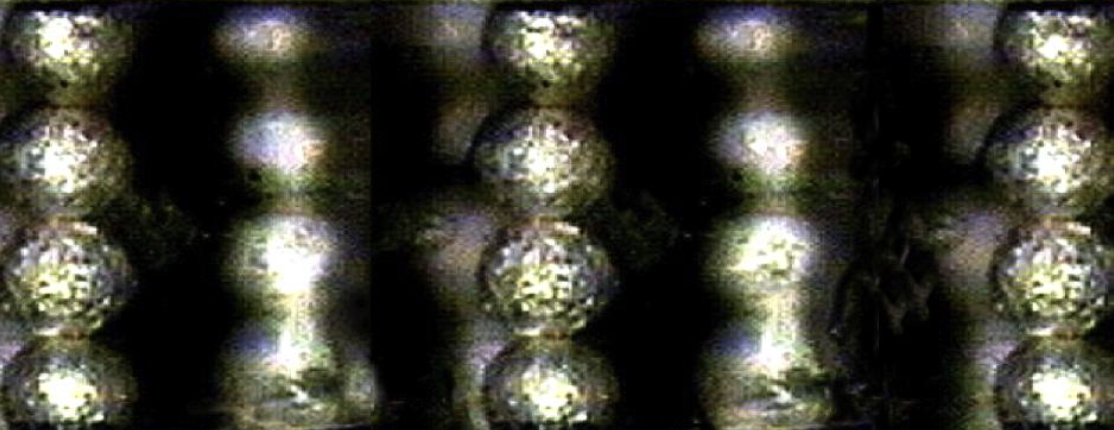
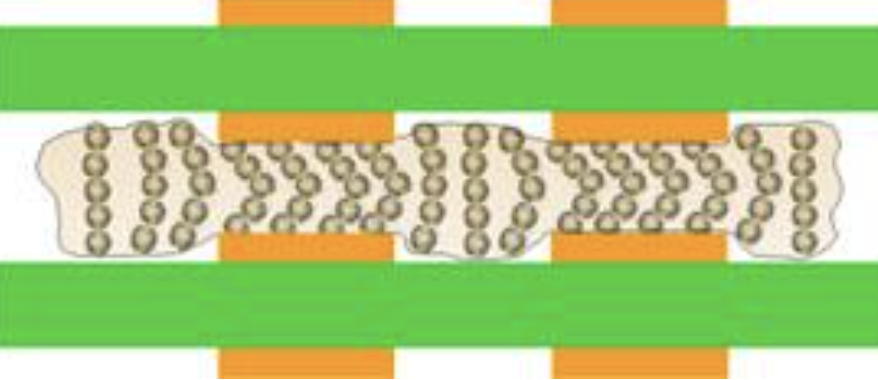
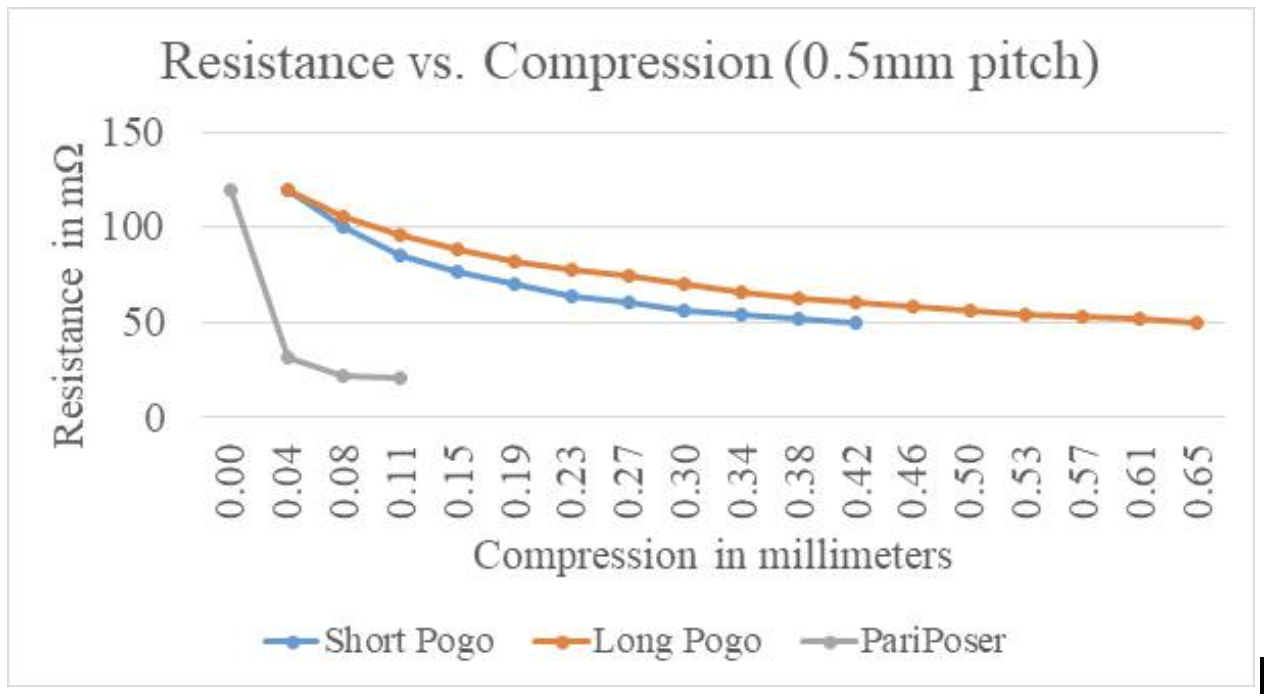
PariPoser® materials are mostly elastomer. Testing of Paricon’s materials have shown that mechanical and electrical properties are consistent for hundreds of thousands of test cycles and have remained consistent over 12 years of continuous compression.
PariPoser® material can elastically stretch over 400% of its length.
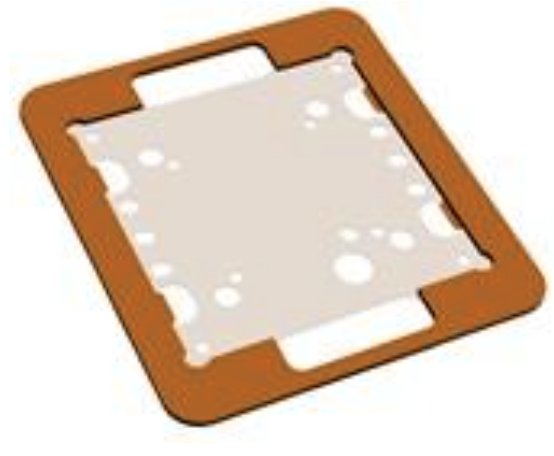
Most other conductive elastomers are made with a larger fraction of metal and a smaller fraction of silicone. These “elastomers” tend to take a set because they compress by allowing irreversible microtears of the matrix between adjacent metal particles, thus reducing their resilience and cycle life.
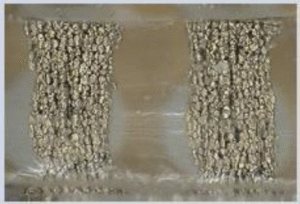
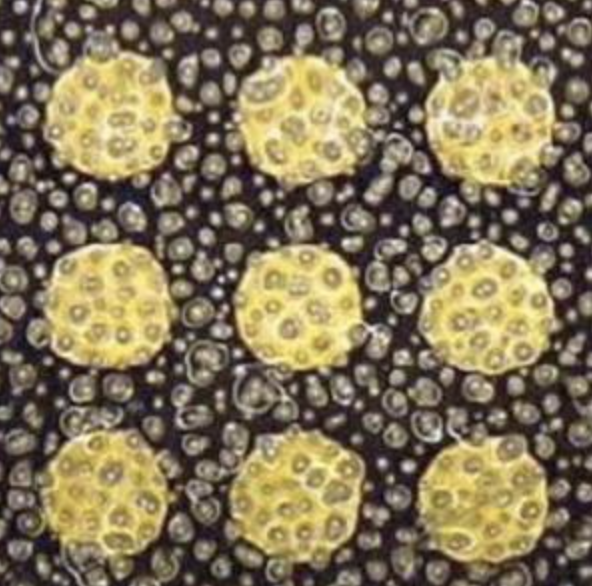
Competitor’s conductive elastomer made with a higher density of metal particles.
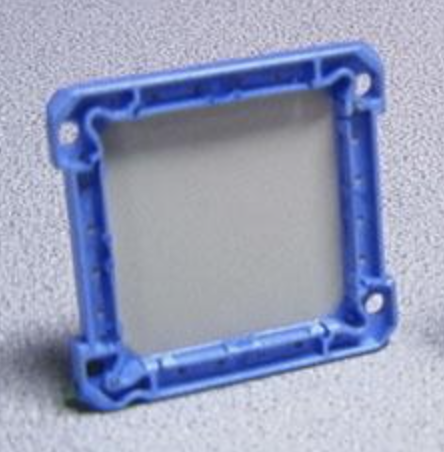
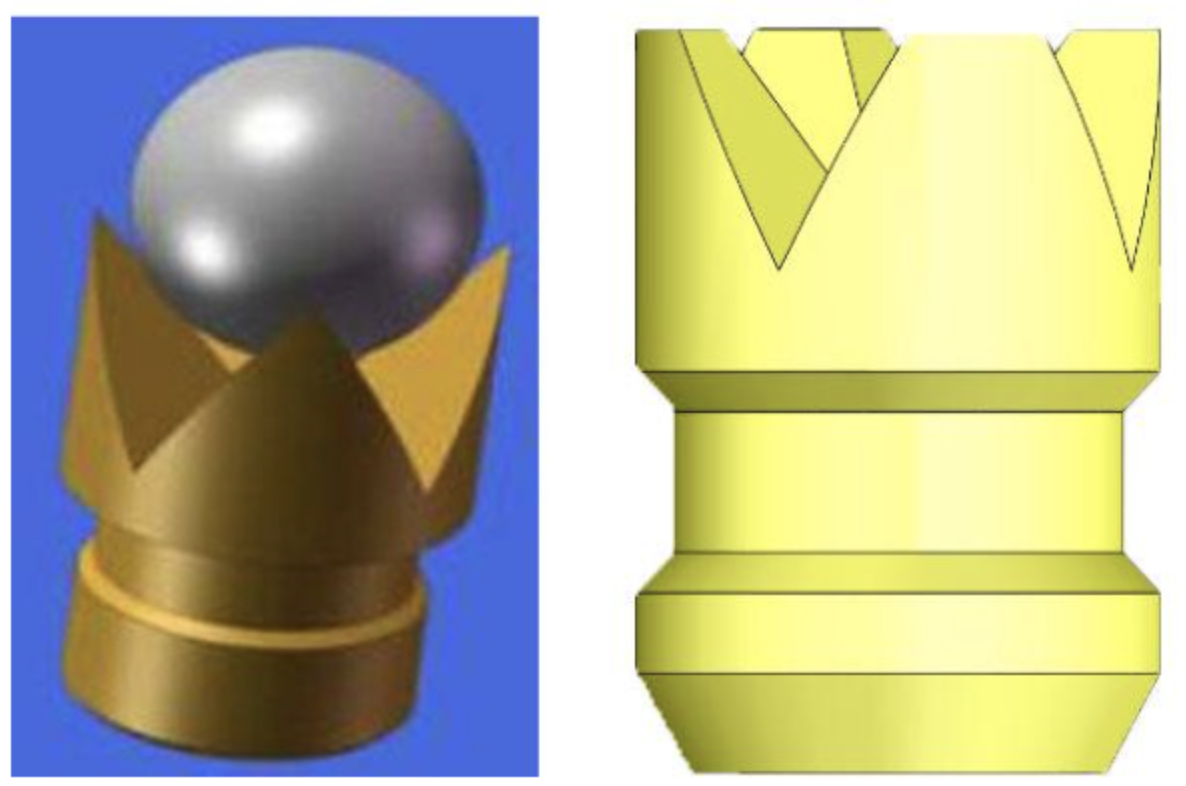
Conductive cylinders are placed in an insulating carrier to keep the cylinders separated. Unlike PariPoser® material, this competing material also needs to be aligned to the contact pads, adding another requirement.